Selected work in reconstructed and first-person war reportage, drawn from archival rigor and on-the-ground fieldwork at the sites of consequence from all aspects of war.
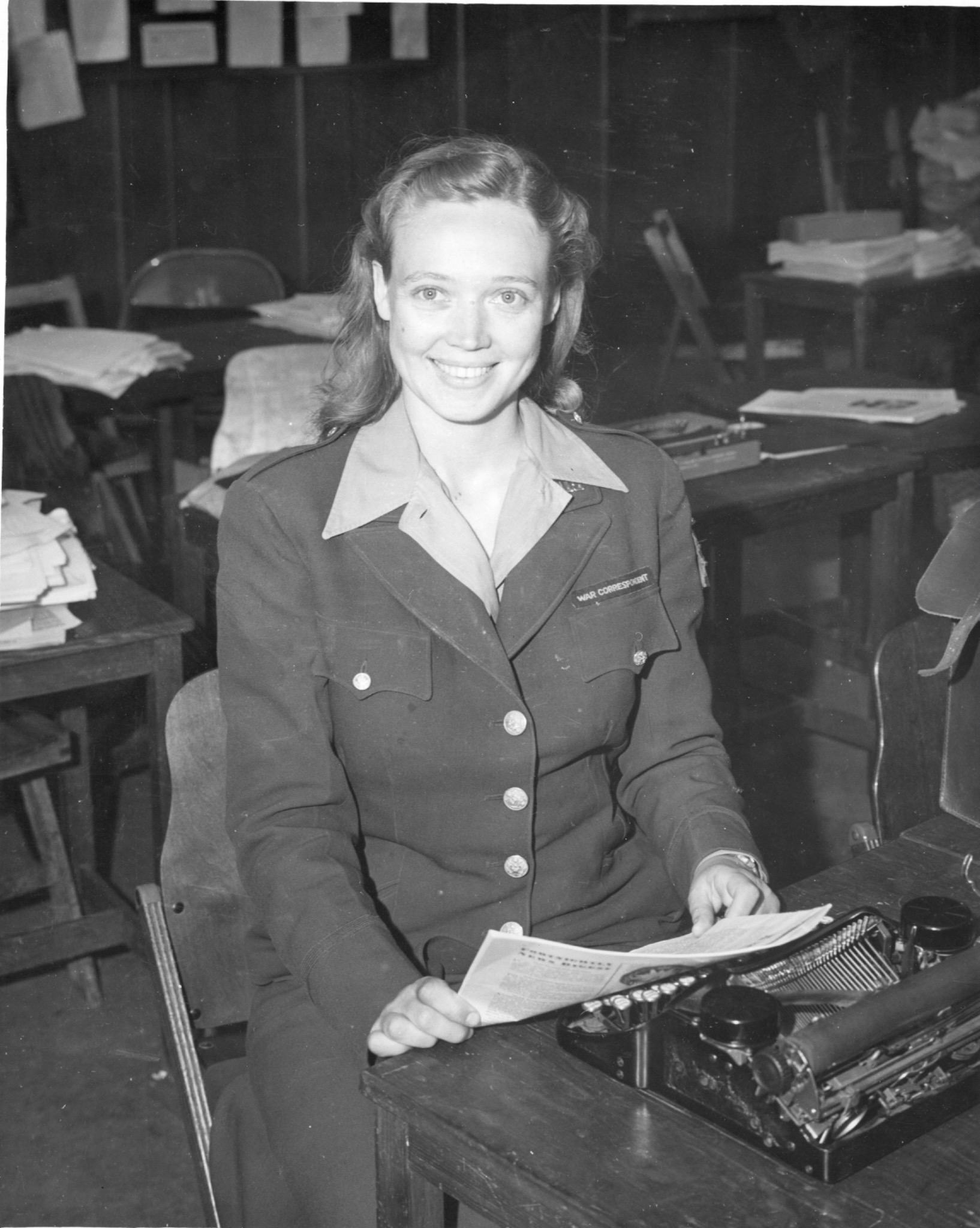
On the last Sunday of April 1945, a twenty-four-year-old correspondent dressed to vanish with an enemy’s coat over her frame and a Russian helmet over her hair, and talked her way past the Wehrmacht to reach Dachau ahead of the divisions sent to liberate it. Reconstructed from her dispatches, military documentation, and the men who were there: the train of the dead, the silence on the roll-call yard, and the armed SS who climbed down from the towers because she told them to. A portrait of a woman who would not be told to wait outside the gates.
Read →
The training ground of WWII’s 42nd “Rainbow” Division was Cherokee land first. This essay recovers Rachel Raincrow, who survived the Trail of Tears and made a home on the ground the Army would later condemn to build its training camp, disinterring its graves and scattering its families on forty-five days’ notice. From a pension file that reduced her to an X, it moves outward to the lore that still surrounds the camp, to the women who served on the base as the soldiers also arrived.
Read →
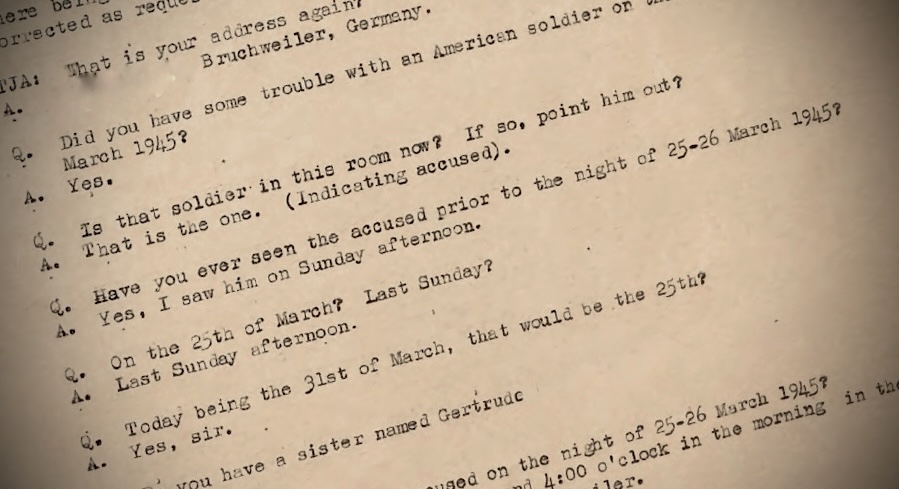
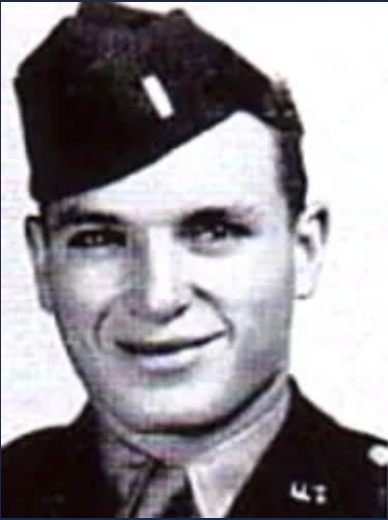
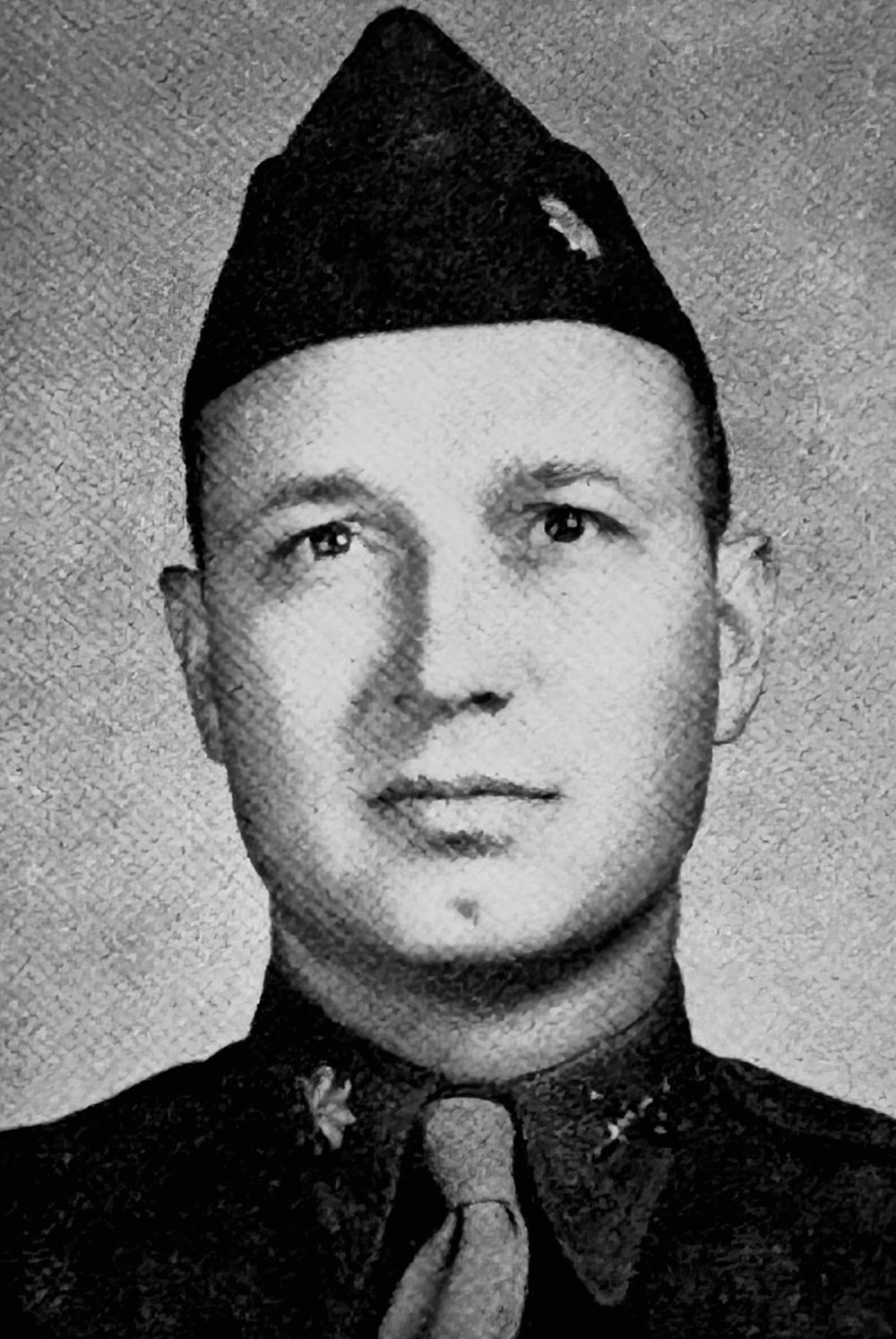
Reconstructed from a court-martial file found at the National Archives: one night in March 1945, in a German village billeted by the U.S. Army. A soldier who had never seen a day of combat enters two houses and commits crimes found in the pages of the document. The Army recorded the night under a single word: looting. The essay is the recovery of the story that unfolds in its pages.
Read →
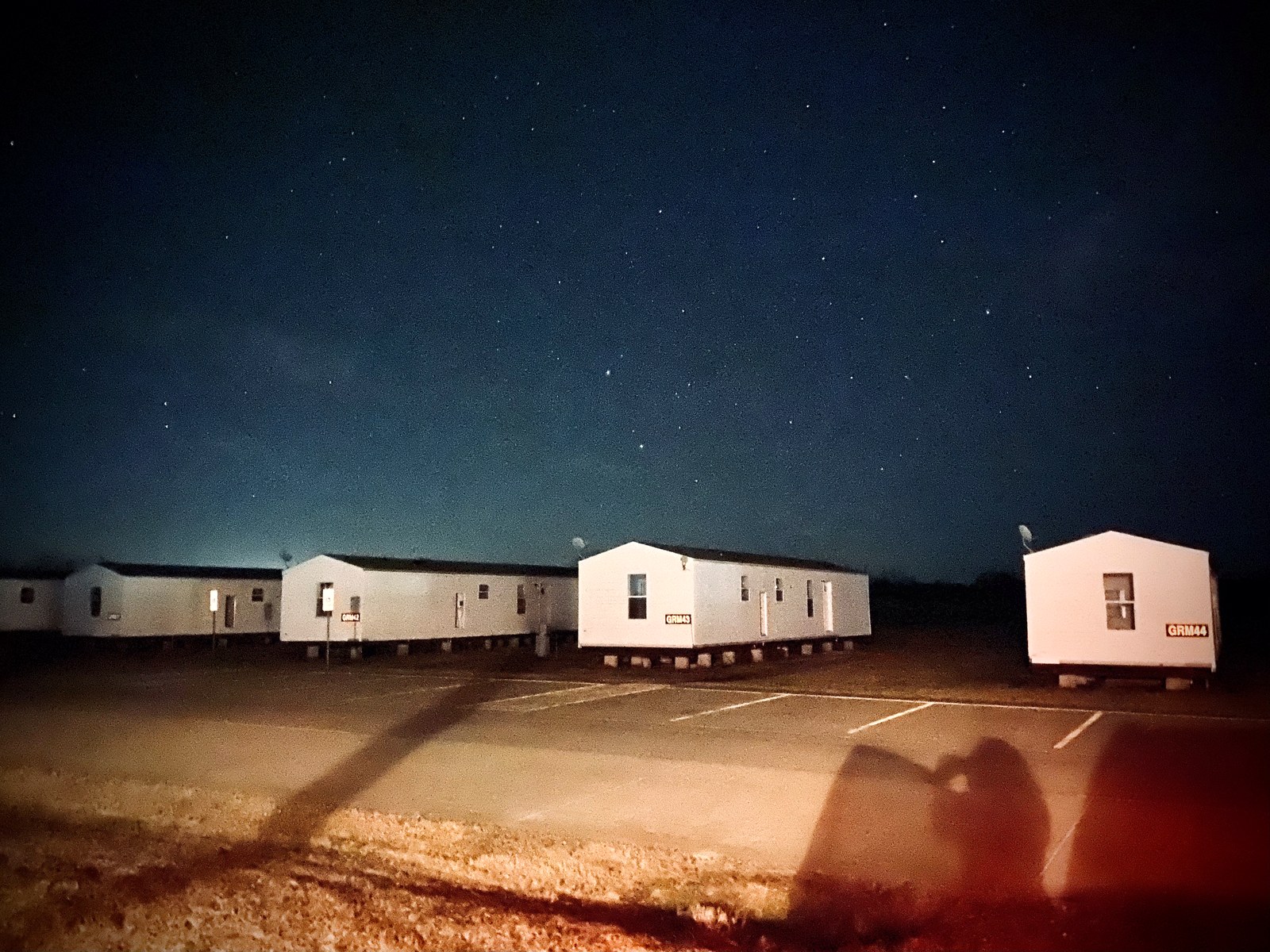
A first-person essay from the abandoned firing ranges of Camp Gruber, Oklahoma, where the writer holds a bullet-riddled paper silhouette against her own body and the holes resolve into a constellation. It moves between the draft that turned men into numbers and targets into faceless shapes, the German prisoners who built the camp across the wire from the Americans training to fight them, and the stars indifferent above them both.
Read →
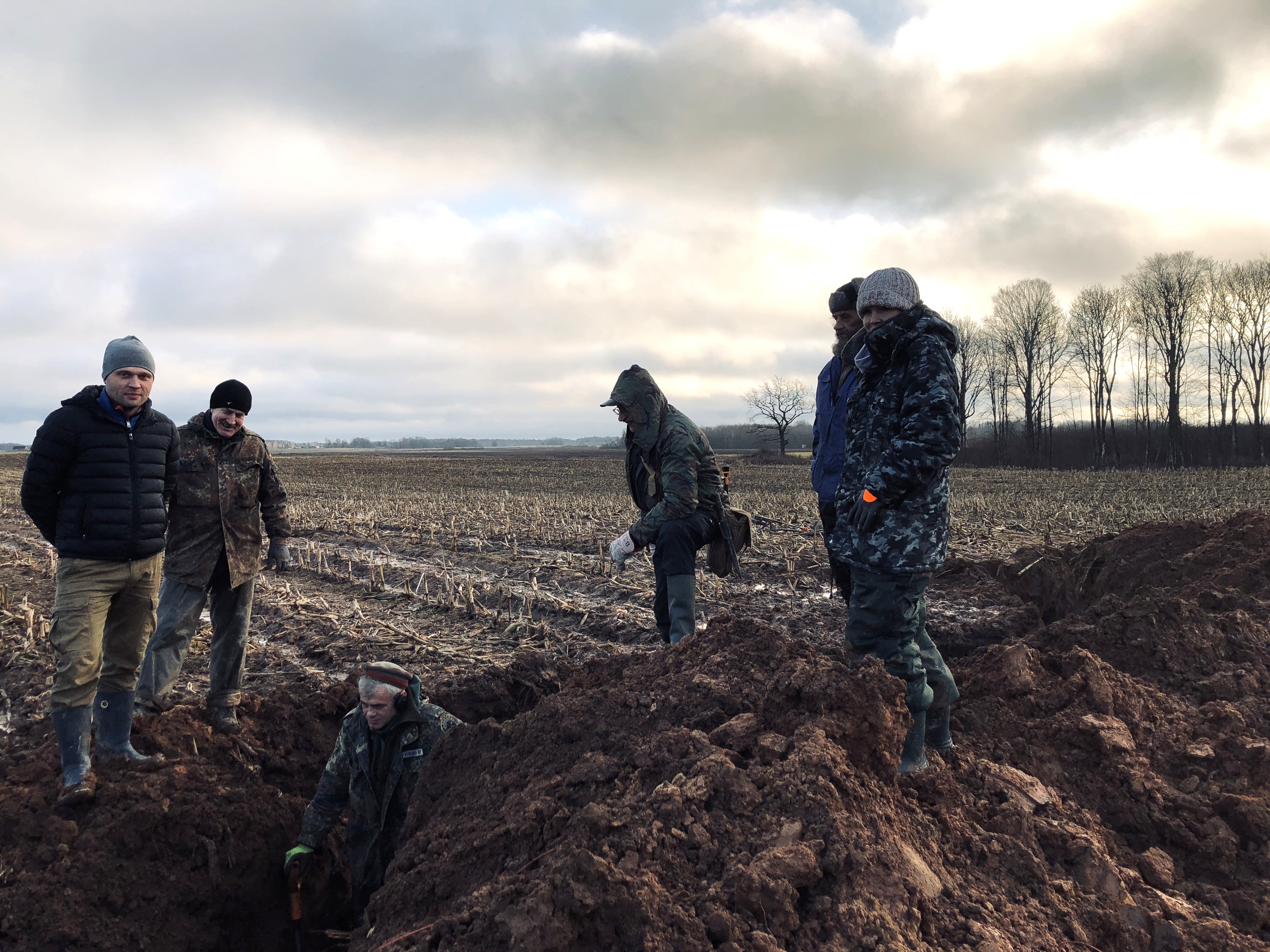
Reportage from the frozen fields of Latvia, in the cold with the volunteers of Legenda as they dig for soldiers missing since 1944. The piece holds the moral tangle of a small country caught between two armies, where neighbors fought on both sides and no path was clean, alongside the description of the intimate labor of lifting bones from the ground to send a man home.
Read →
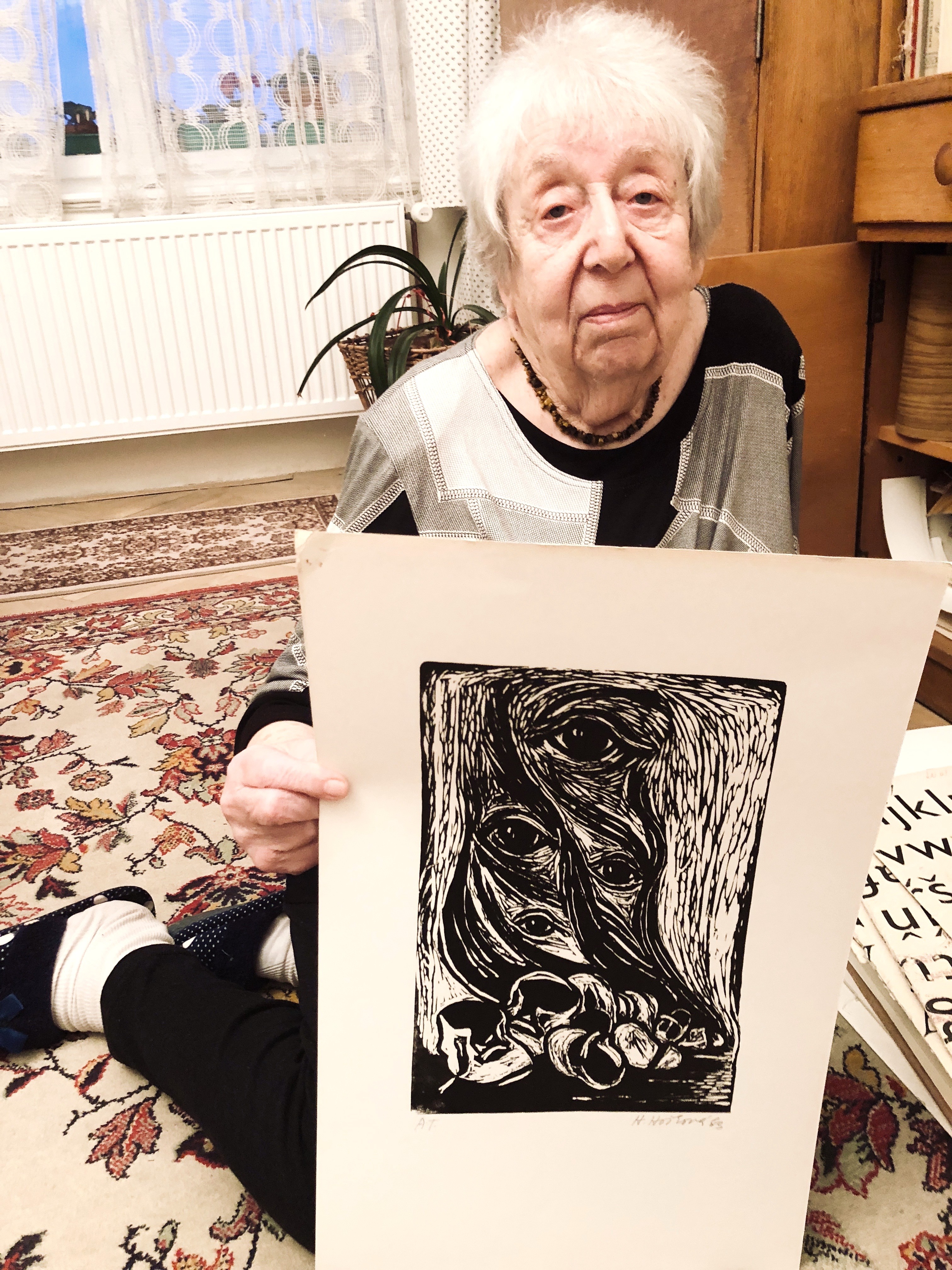
A return to Terezín (Theresienstadt) and a meeting with Helga Weissová, survivor of the Holocaust, who as a child smuggled a drawing to her father across the ghetto and received his instruction back: Draw what you see. She did, for the rest of her life. The essay follows the rail tracks the deportations left on, the instruction that made her a witness, and the father who never came home.
Read →
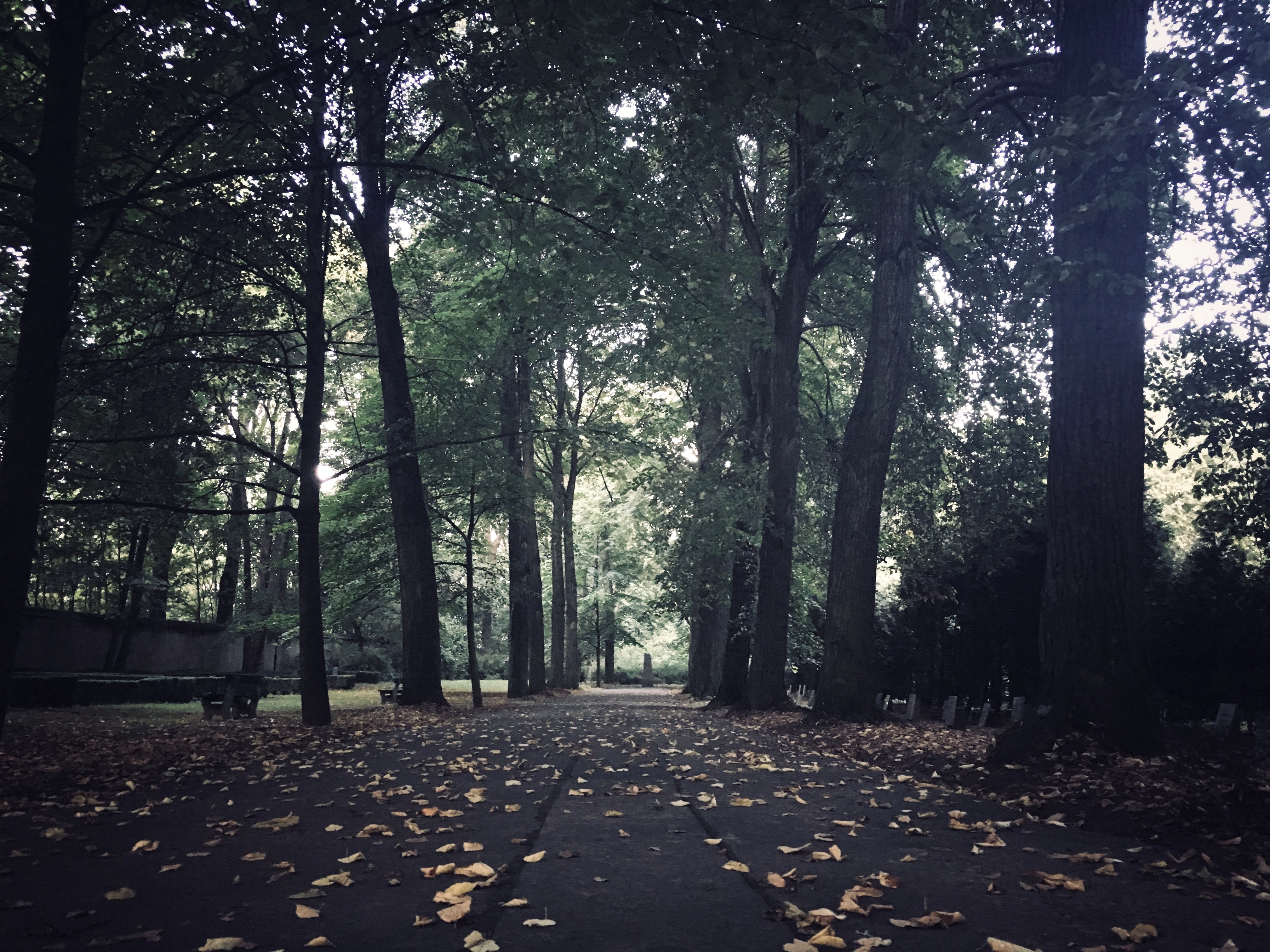
A walk through the mass grave at Ďáblice outside of Prague, where the parachutists who killed Reinhard Heydrich, the architect of the Final Solution, in 1942 lie with hundreds of others including the man who betrayed them and the men who ordered their deaths.
Read →
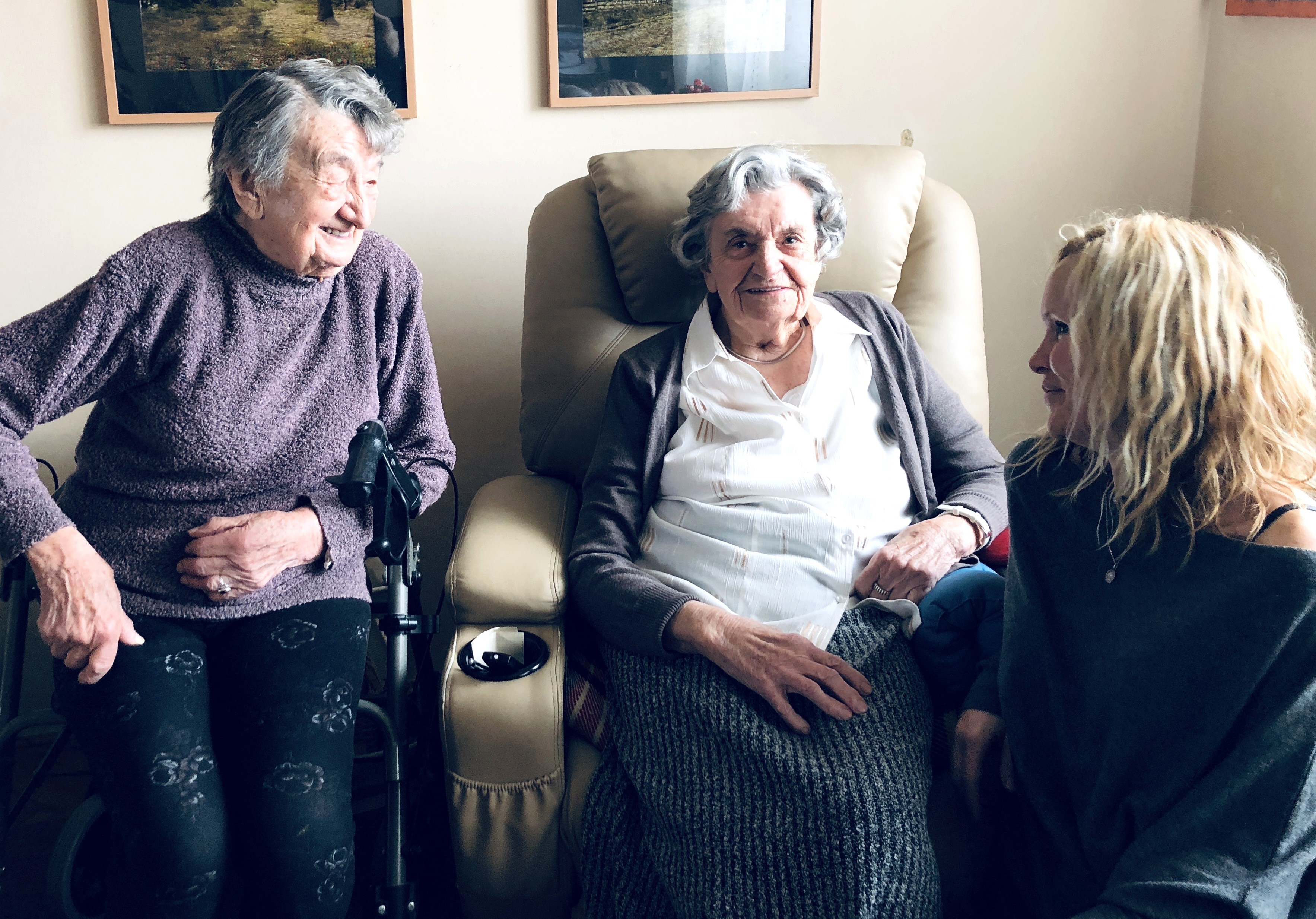
Two sisters survived the massacre that wiped their village off the map, and then the women’s camp at Ravensbrück, where the guards kept attack dogs instead of guns. Sitting with them as the past comes forward to meet them, the essay holds the photographs that outlived the burned village, the father shot into a mass grave, and the sacredness of the place where past and present collide.
Read →